
Turning Collective Pain into National Power: The MWV Movement
- Dr. Renee Dickerson
- May 1
- 2 min read

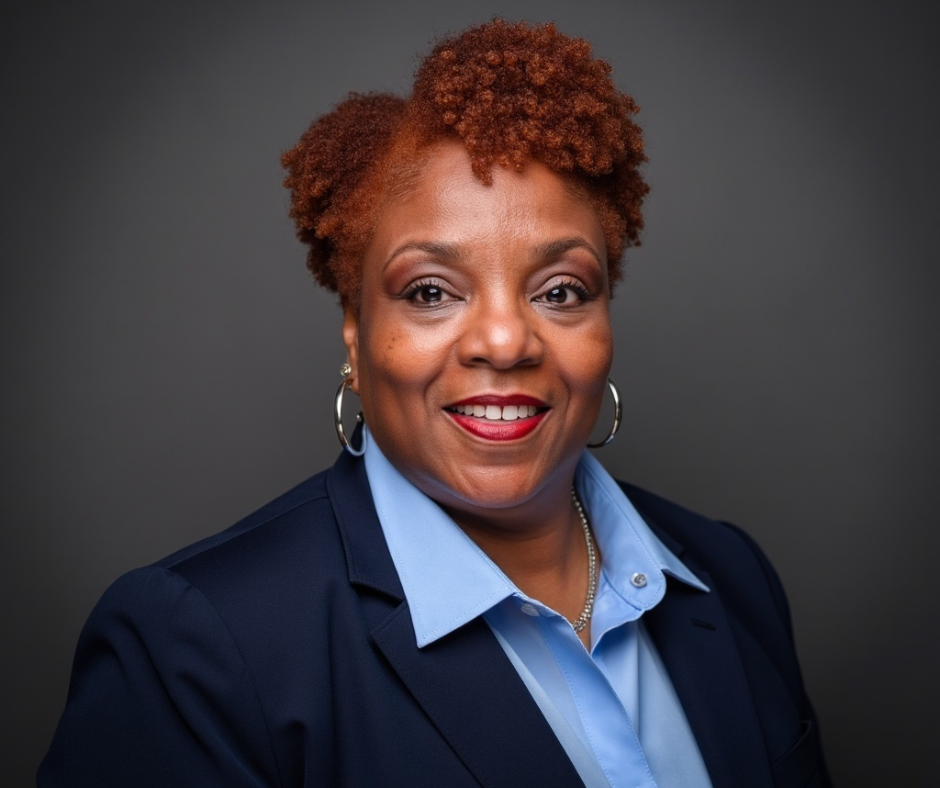
I am passionate about helping people transform pain into purpose because I have lived through the reality that pain, when understood and supported, need not be the end of the story—it can become the beginning of something powerful. As an Air Force Veteran, former Director of the Chicago Heights Vet Center, and a psychotherapist specializing in trauma, I have spent decades walking alongside individuals carrying invisible wounds. Today, as the Founder and CEO of Her Service Matters LLC and Victory Place, my work is rooted in one central belief: people are not broken—they are responding to what they have endured, and with the right support, they can reclaim their lives.
My passion is both deeply personal and professional. I have witnessed how trauma shapes thoughts, behaviors, relationships, and identity. I have also seen what happens when individuals are given space to reflect, understand, and heal. That is where transformation begins. I help people name their experiences, recognize trauma's impact across their lives, and reconnect with their sense of self. Turning pain into passion is not about ignoring suffering—it is about harnessing it, learning from it, and allowing it to inform a life of meaning, growth, and empowerment.
This same commitment extends beyond individual healing into collective advocacy. I am honored to be working alongside a powerful network of veteran women to support the first Million Women Veterans (MWV) March on Washington in 2027. What began as a conversation among a few hundred women has grown into a national movement—one that will convene a million women veterans, families, and supporters through both a historic march and regional summits across the country. This movement, titled Dishonored Valor: When Honorable Service Is Met with Systemic Harm, reflects a shared truth: many women who served honorably have encountered systemic barriers that continue long after their service ends.
Our work is about more than visibility—it is about change. Through a coordinated federal policy agenda, we are addressing eleven critical priorities, including equitable access to healthcare, accountability for military sexual trauma, mental health and suicide prevention, housing and economic stability, racial and gender equity, constitutional recognition, and the long-term impact of service on families and communities. These are not abstract issues—they are lived realities that demand attention, reform, and accountability.
I do this work because I believe in people’s capacity to rise. I believe that healing is possible, that systems can change, and that voices—especially those that have been silenced—can reshape the future. My purpose is to stand in that space between pain and possibility, and to help others cross it with strength, clarity, and hope.
Renee


Comments